


Are Free OnlyFans Accounts Fake? What to Know
Date: October 7, 2026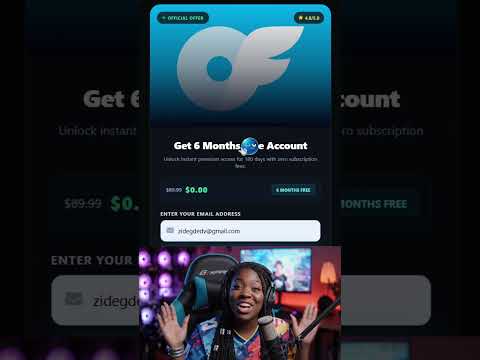
Are Free OnlyFans Accounts Fake? Practical Guidance and Safety Tips
Understanding the Claim – Why “Free OnlyFans” Sounds Too Good to Be True
OnlyFans is a subscription‑based platform where creators set their own pricing and decide which content is behind a paywall. Because the business model relies on paid access, any offer promising “free OnlyFans accounts” immediately raises a question: is it a legitimate promotion or a deceptive shortcut? The allure of getting premium content without paying taps into a common internet mindset that “free” equals “risk‑free,” but the reality is more nuanced. Scammers exploit that mindset by mimicking official branding, offering fake login credentials, or redirecting users to malicious sites.
From a user‑intent perspective, people searching “are free onlyfans accounts fake” want to know whether they can safely explore free content or if they should avoid these offers altogether. The answer hinges on understanding how OnlyFans structures its own free features, what legitimate promotions look like, and which red flags signal a counterfeit service. This article breaks down those elements, giving you a clear roadmap for safe navigation.
Common Methods Used to Offer “Free” Access
Fake login portals and credential sharing
Many sites create a replica of the OnlyFans login page and ask users to enter their personal email or social media credentials. After submission, the portal either steals the information or displays a “free” version of a creator’s profile that is actually a screenshot or cached page. This method relies on social engineering rather than any genuine integration with OnlyFans’ API.
Because the portal is not connected to OnlyFans, any “free” content you see cannot be updated or interacted with. Users who try to comment, like, or message will encounter error messages, indicating that the experience is entirely fabricated.
Third‑party aggregators and “account sharing” services
Another popular approach involves third‑party platforms that claim to host a database of “free accounts” for multiple creators. These services often charge a hidden fee, require you to download a separate app, or ask for permission to control your device. Their business model is to monetize the traffic through ads or data collection, not to provide genuine access.
In many cases, the accounts listed are either outdated, suspended, or completely bogus. Even when a link appears to work, it typically leads to a low‑resolution video or a watermarked image that the creator never intended to share publicly.
Risks and Red Flags You Should Spot
Identifying a fake free OnlyFans offer is essential for protecting your personal data and avoiding financial loss. Below are the most common warning signs:
- Requests for your OnlyFans password or any unrelated account credentials.
- Offers that claim “unlimited access” without any verification process.
- Landing pages with poor grammar, low‑quality graphics, or mismatched branding.
- Mandatory installation of unknown software or browser extensions.
- Payment requests hidden behind a “free” label, such as “pay later” or “donate to unlock.”
Beyond these visual cues, pay attention to the site’s URL. A legitimate OnlyFans page will always use the domain onlyfans.com. Any variation, sub‑domain, or completely different domain is a strong indicator of a phishing attempt.
How Legitimate Free Content Works on OnlyFans
OnlyFans itself provides several official ways for creators to share content without charging a subscription fee. These include:
- Free subscriptions: Creators can set their price to $0, allowing anyone to follow them at no cost.
- Promotional posts: Even paid creators can publish free‑to‑view posts, teasers, or public announcements that are visible to all.
- Trial periods: Some creators enable a limited‑time trial that grants temporary free access before the subscription renews.
These features are built into the platform’s dashboard and are clearly labeled as “Free” or “Trial.” Because they are managed directly by OnlyFans, they come with the platform’s standard security, support, and compliance measures. Users can trust that any content displayed under these categories is genuine and respects the creator’s chosen pricing model.
Practical Steps to Verify an Account’s Authenticity
When you encounter a “free OnlyFans” link, follow this checklist before proceeding:
- Check the URL: Ensure it starts with
https://onlyfans.com/and matches the creator’s verified username. - Visit the creator’s official social profiles: Most creators share their OnlyFans link on Twitter, Instagram, or TikTok. Cross‑reference the link you have with the one they promote.
- Look for verification badges: OnlyFans provides a blue checkmark for verified accounts; this badge appears next to the username on the profile page.
- Test interaction: Try leaving a comment or sending a message. If the platform rejects the action, it’s likely a fake.
- Review the content type: Official free posts are typically low‑resolution previews or promotional material, not full‑length videos or high‑quality photo sets.
By systematically applying these steps, you reduce the chance of falling for a fraudulent scheme and protect your personal information.
What to Do If You Encounter a Suspicious Offer
Discovering a potentially harmful free OnlyFans service should trigger a quick response. First, cease any interaction and close the browser tab to prevent further data capture. Then, report the site to OnlyFans using their official “Report a Problem” form, which helps the platform shut down malicious actors.
In addition, consider filing a complaint with your local consumer protection agency or with platforms that host the suspicious content (e.g., social media sites). If you suspect that your credentials have been compromised, change passwords immediately and enable two‑factor authentication wherever possible.
Safe Alternatives for Low‑Cost or Free Content
While many free offers are illegitimate, there are reputable ways to enjoy creator content without breaking the bank. Below is a quick comparison of common options:
| Option | Features | Benefits | Pricing | Support |
|---|---|---|---|---|
| Official Free Subscriptions | Full profile access, limited posts, creator interaction | Direct from creator, secure, no hidden fees | Free | OnlyFans customer service |
| Trial Periods | Temporary unlimited access, same features as paid | Test before committing, official support | Free for limited time | OnlyFans support during trial |
| Promotional Bundles | Discounted subscription with bonus content | Cost‑effective, includes exclusive perks | Usually $1‑$5 per month | Creator‑managed support |
| Third‑Party Platforms (e.g., onlyfans at no cost access) | Varies widely, often low‑quality or outdated | Potentially free, but high risk | Free (often with hidden costs) | Unreliable or non‑existent |
Choosing a legitimate channel not only safeguards your data but also ensures creators receive proper compensation for their work. If budget constraints are a concern, look for creators who regularly post free content or run limited‑time promotions.
Frequently Asked Questions
Can I ever get a completely free subscription to a paid creator?
Only if the creator chooses to set their price to $0 or offers a trial period. Otherwise, any claim of a “free paid account” is almost certainly a scam.
Is it safe to use a password manager for OnlyFans?
Yes. A reputable password manager adds a layer of security, especially when you need to create a unique password for OnlyFans. Combine it with two‑factor authentication for optimal protection.
What should I do if I’ve already entered my credentials on a fake site?
Change your OnlyFans password immediately, enable two‑factor authentication, and monitor your account for any unauthorized activity. Reporting the fraudulent site helps protect other users.
Conclusion – Making Informed Decisions About Free OnlyFans Content
Understanding whether free OnlyFans accounts are fake empowers you to navigate the platform safely and responsibly. By recognizing common scams, verifying authenticity, and opting for official free features, you protect both your personal information and the creators you admire. Remember that the best approach is to stay skeptical of “too good to be true” offers and rely on the built‑in tools OnlyFans provides.

Leave a Reply